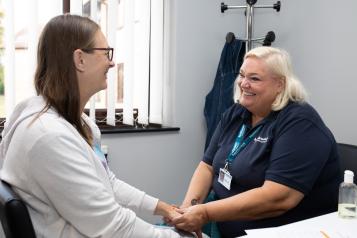
Community pharmacies are a core ‘pillar’ of local healthcare

Our latest report Community Pharmacy in Hertfordshire: Improvements and potential showed that many people had a long-standing history with their local pharmacy and trusted their advice. However, some were concerned about accessibility, stores with a high turnover of staff and the pressure on pharmacies to take on more services.
Community pharmacies are one of the ‘four pillars’ of the primary care health system in the UK alongside general practice, optical services and dentistry. About 90 per cent of the population in England lives within a 20-minute walk of a pharmacy.
Why did we do this work?
The purpose of this research was to hear from local people about their views and experiences of pharmacies in Hertfordshire. We wanted to find out about:
- How local residents use community pharmacies,
- Understand barriers preventing people from using their community pharmacy,
- Explore people’s confidence when using community pharmacies.
In total, 382 people shared their views with us through various methods including an online survey, one-to-one interviews and targeted engagement with under-served groups.
What did people tell us?
Most told us they trusted pharmacies to manage minor ailments and new medications. However, confidence was lower for long-term conditions, new health concerns and children’s health. There was also some confusion about what pharmacies can provide.
- Almost 75% of people we heard from used pharmacies monthly for prescriptions, over-the-counter medication, vaccinations and health advice.
- There is limited public awareness of the full range of pharmacy services, including NHS Pharmacy First. Services also vary widely across pharmacies, creating confusion for patients.
- 96% said their pharmacy was easily accessible with flexible hours, but better support for those with additional needs and language barriers was needed (e.g. partially sighted, blind and D/deaf communities).
- Many people had used the same pharmacy for many years, developing long-term trusting relationships. However, others told us that rotating staff and high workloads meant they experienced a lack of personalised care.
- People had mixed views about whether the role of pharmacies should be expanded. Some saw them as an ‘untapped’ or ‘underused’ resource, but other thought they were already overstretched.
What happens next?
Below is a list of recommendations that could be used to improve community pharmacies and create better health outcomes for residents:
Increase awareness of the range of services pharmacies can provide and build trust in pharmacy expertise. Use clear posters and information in pharmacies, GP practices and community settings, advertising available services and associated costs. Improve pharmacy websites, deliver targeted social media campaigns and encourage GP practice websites to clearly signpost pharmacy services.
Workforce Stability: Address high staff turnover to ensure continuity of care and maintain patient trust.
Privacy and Confidentiality: Ensure patient confidentiality is upheld with accessible, appropriate consultation rooms and that no private information is shared in earshot of other customers.
Role of Pharmacy in the System: Support GP practices to actively direct patients with minor ailments to pharmacies and expand the prescribing role of pharmacists, where appropriate.
Accessibility and Service Provision: Improve access to services and treatments with opening hours that meet patient needs and offer regular medication reviews where appropriate.
Supporting Blind people, people with vision loss, hard-of-hearing and D/deaf people:
- Improve training for professionals and better communication methods, such as offering text or email notifications when prescriptions are ready.
- Ensure accessible environments and practices - avoid stickers over braille on medication packaging, maintain good lighting and clear face visibility to support lip reading, use simple, clear language in communication and increase staff awareness of how to book interpreters.
Young People’s Experience: Raise awareness and create welcoming environments for young people. Use social media and accessible, informal communication styles. Address young people directly in consultations, even when attending with a parent/guardian.
Collaboration and Integration: Strengthen collaboration and communication between healthcare services, such as pharmacies and GP practices.
- Improve patient experience with clear updates on prescription status, timely dispensing and delivery of medications and better responsiveness from GP practices to medication queries.
- Encourage pharmacies to proactively signpost patients to alternative locations when medicines are out of stock.
“This report provides an important insight into how residents experience community pharmacy services, and highlights both the strengths of the sector and the opportunities for improvement across Hertfordshire. Working with Healthwatch on this area of research is hugely valuable to us, particularly in bringing an independent and trusted voice to conversations with our population. Their ability to engage openly with residents, listen to diverse communities, and provide constructive scrutiny helps us better understand lived experience and where change is needed most.
By working collaboratively with Healthwatch and our local communities, we aim to strengthen integration across services and ensure community pharmacies are supported to play their full role in improving health outcomes for our residents, and as part of that collaboration I look forward to taking the recommendations raised within this report forward.”
Mark Edwards - Head of Partnerships (Hertfordshire), NHS Central East ICB
What is Pharmacy First?
You can visit your local pharmacy for expert advice and treatment for many common conditions, without the need to wait for a GP appointment. It’s fast and convenient, with trained pharmacists who can provide prescription-only medicines such as antibiotics. The conditions a pharmacist can support are:
| Condition | Age range |
| Acute otitis media | 1 to 17 years |
| Impetigo | 1 year and over |
| Infected insect bites | 1 year and over |
| Shingles | 18 years and over |
| Sinusitis | 12 years and over |
| Sore throat | 5 years and over |
| Uncomplicated urinary tract infections | Women 16-64 years |
Downloads
Read the full Report here.